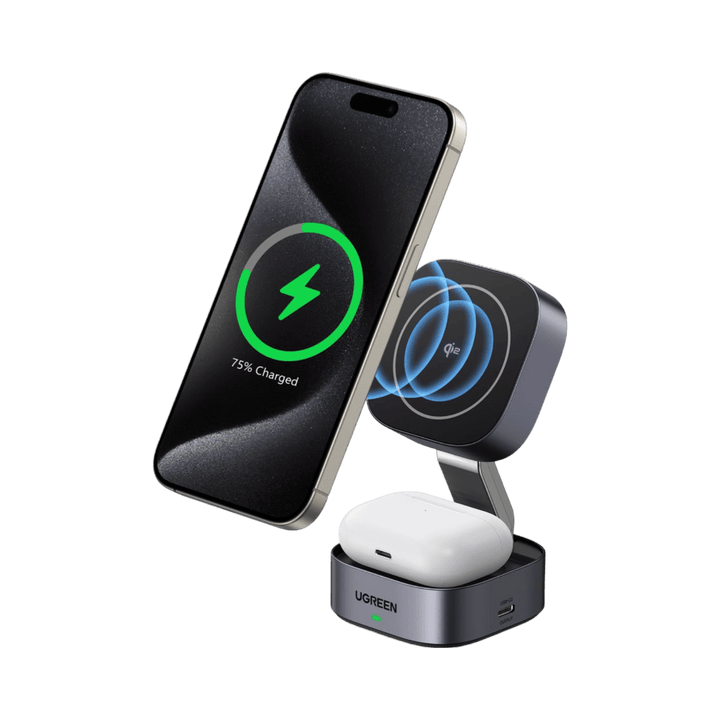
Exploring the Evolution of Wireless Charging Technology
The journey of wireless charging technology can be traced back to the late 19th century, with the pioneering experiments of Nikola Tesla. He envisioned a world where electricity could be transmitted wirelessly, laying the foundation for what we now know as inductive charging. Over the decades, advancements in electromagnetic fields and resonant inductive coupling led to the development of commercial applications. By the early 2000s, we witnessed the introduction of the first mainstream wireless charging solutions. Companies began to focus on creating standards such as Qi, which allowed various devices to charge without needing to plug in cables, significantly enhancing user convenience and reducing wear on connectors.
As the demand for wireless charging technology has grown, so too have its applications. Today, we see not only smartphones benefiting from this technology but also other devices such as smartwatches, headphones, and even electric vehicles. The evolution is marked by innovation in efficiency and speed, with new methods such as magnetic resonance charging paving the way for future possibilities. Furthermore, the integration of wireless charging pads into furniture and public spaces is gradually becoming commonplace, creating an ecosystem that supports a cable-free lifestyle. As we look ahead, advancements in this field promise to enhance our daily lives in ways we can only begin to imagine.
Counter-Strike is a popular tactical first-person shooter video game series that has garnered a large competitive scene. Players join either the terrorist or counter-terrorist teams to complete objectives, such as bomb defusal or hostage rescue. If you're looking for some accessories to enhance your gaming experience, check out the Top 10 iphone slim cases for your devices.
5 Reasons Why Wireless Charging is the Ultimate Solution for Gadget Powering
Wireless charging has transformed the way we power our gadgets, providing unparalleled convenience and efficiency. First and foremost, it eliminates the hassle of tangled cords and the wear and tear that comes with using traditional chargers. Users can simply place their devices on a charging pad, allowing them to maintain a neat and organized space while ensuring their gadgets are powered up. Additionally, many wireless charging systems support fast charging, which means less time waiting for devices to be ready to use.
Second, wired connections can be a limiting factor, especially for multitaskers. With wireless charging, you can easily power your device while using it, such as browsing or watching videos, without being tethered to a cord. Furthermore, wireless chargers are compatible with a wide range of devices, from smartphones to smartwatches, making them a versatile choice for gadget enthusiasts. Lastly, they contribute to a cleaner, more minimalist aesthetic—no more visible cords cluttering your workspace. These aspects combined illustrate why wireless charging is quickly becoming the ultimate solution for gadget powering.
Is Wireless Charging Safe for Your Devices? Debunking Myths and Misconceptions
Wireless charging has gained immense popularity in recent years, but many users still wonder, Is wireless charging safe for your devices? A common misconception is that wireless charging generates excessive heat, potentially damaging your device’s battery. However, most modern wireless chargers are designed with advanced technology that regulates temperature and prevents overheating. Additionally, manufacturers often incorporate safety features that automatically shut off the charging process if the device gets too hot, ensuring that your smartphone or other devices remain safe during the charging process.
Another myth surrounding wireless charging is that it can lead to battery degradation faster than traditional charging methods. This belief stems from the idea that the slower charging speed of wireless charging could negatively impact battery health. In reality, while wireless charging may take slightly longer, it typically involves less strain on the battery compared to rapid charging practices that can cause stress over time. Ultimately, using wireless chargers properly and with compatible devices can provide a convenient and safe charging experience.