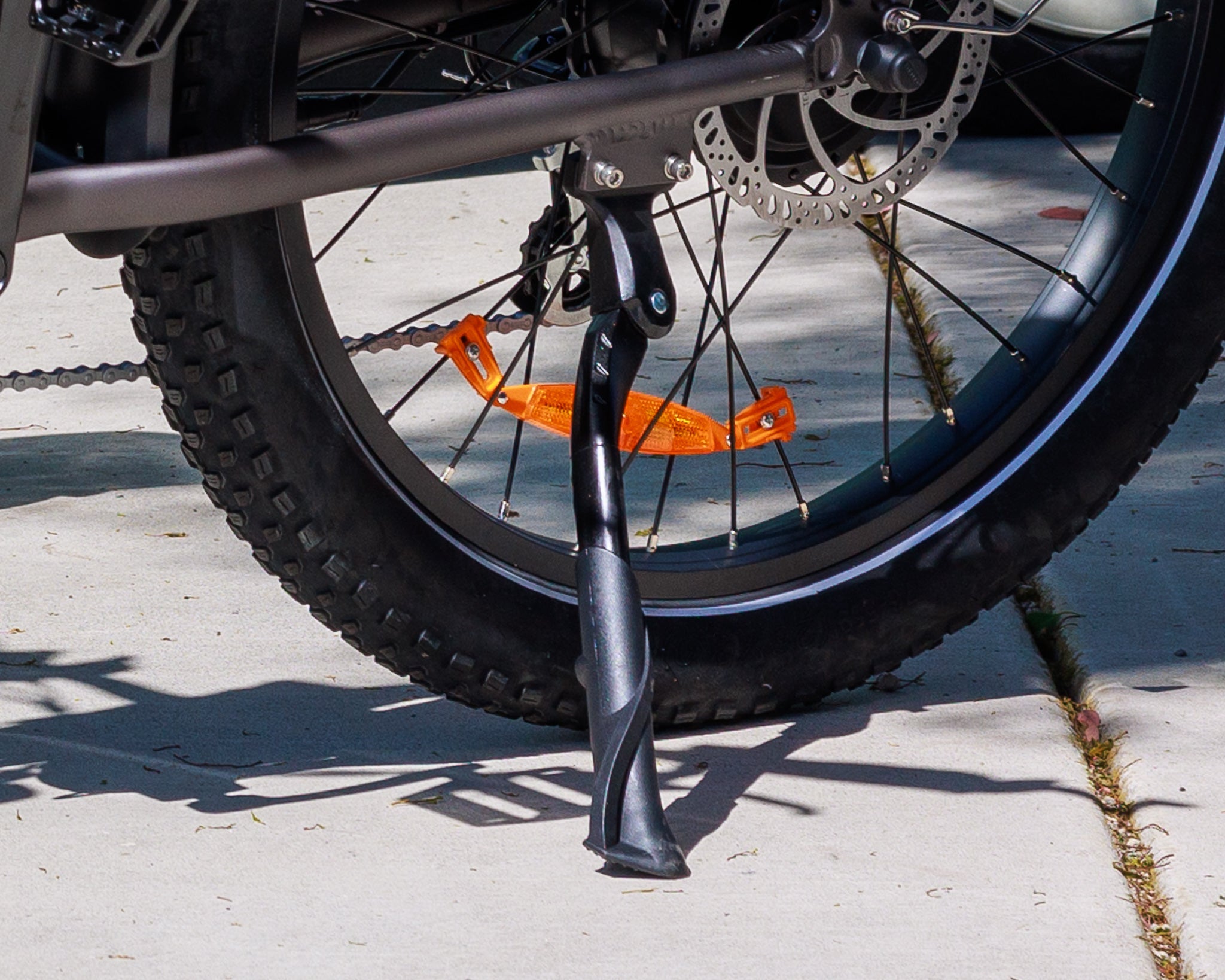
5 Tips for Choosing the Perfect Kickstand for Your Bike
Choosing the perfect kickstand for your bike can significantly enhance your riding experience and ensure your bike remains upright when parked. Here are 5 tips to help you make the best decision:
- Type of Bike: Consider the type of bike you have. Mountain bikes, road bikes, and hybrids may require different types of kickstands. For instance, a heavier mountain bike might benefit from a sturdy double-legged kickstand for better stability.
- Height Adjustment: Look for a kickstand that offers height adjustment to ensure it fits your bike's specifications. An adjustable kickstand accommodates different terrains and loading conditions, providing a safer option for various scenarios.
Another important factor is the material of the kickstand. Remember, durability is key – go for high-quality materials like aluminum or steel that can withstand wear and tear. Additionally, pay attention to the weight of the kickstand. A lightweight option will not add unnecessary burden to your bike, yet it should not compromise on strength.
- Installation: Check how easy it is to install the kickstand. Many can be attached with basic tools, but a complicated installation process can be a deterrent.
- Reviews and Recommendations: Finally, research customer reviews and seek recommendations from fellow cyclists. Real-world experiences can provide invaluable insights into the performance, reliability, and overall satisfaction with the kickstand you are considering.
Counter-Strike is a popular first-person shooter game that has captivated millions of players worldwide since its release. The game pits teams of terrorists against counter-terrorists in a variety of objective-based scenarios. For players looking to enhance their gaming experience, exploring accessories such as Top 10 iPhone Ring Holder Stands can be beneficial for convenience and comfort during intense gaming sessions.
How a Kickstand Can Enhance Your Cycling Experience
When it comes to cycling, many enthusiasts focus on performance gear and accessories, often overlooking the humble yet practical kickstand. A kickstand is not just a simple accessory; it can significantly enhance your cycling experience by providing a stable base when you need to take a break or park your bike. Instead of leaning against a wall or attempting to balance your bike precariously, a sturdy kickstand allows you to park securely, minimizing the risk of damage to your bike and surrounding property.
In addition to convenience, using a kickstand can also enhance your safety while cycling. Proper parking can prevent accidents and ensure that your bike remains upright and visible. Whether you’re taking a moment to hydrate, fix equipment, or simply enjoy the scenery, a kickstand offers peace of mind. Consider investing in a high-quality kickstand designed for your bike type to fully enjoy these benefits and elevate your overall cycling experience.
The History of Kickstands: A Look at Their Evolution and Importance
The evolution of kickstands can be traced back to the early days of cycling, when inventors sought practical solutions to support bicycles while parked. In the late 1800s, the first rudimentary versions were developed, primarily made of wood and metal. As bicycles gained popularity, the need for more reliable and versatile kickstands became evident. Innovations such as the double-leg kickstand emerged, providing greater stability and support on uneven surfaces. Over time, materials improved, with manufacturers adopting lightweight alloys and plastics, which made these essential accessories more convenient for everyday users.
Today, the importance of kickstands cannot be overstated. They facilitate a hassle-free parking experience for cyclists, promoting safety and convenience. A well-designed kickstand allows riders to securely leave their bikes without worrying about them tipping over. Moreover, many modern bicycles now feature integrated kickstands that enhance the aesthetic appeal while maintaining functionality. As cycling continues to grow in popularity around the world, especially in urban areas, understanding the history and advancements of kickstands highlights their role in making cycling a practical and accessible mode of transportation.