The Science Behind Fast Charging: How It Works and Why You Should Care
The Science Behind Fast Charging relies on the interplay of chemistry and electrical engineering. Fast charging technology decreases the time it takes to charge a device by increasing the amount of current supplied to the battery. In a typical lithium-ion battery, ions move from the cathode to the anode during charging. Fast charging techniques, such as Qualcomm Quick Charge and USB Power Delivery, manipulate this process by allowing higher voltages and currents. The science is rooted in concepts like Ohm's Law and Faraday's Law, which dictate how energy moves through electrical circuits. Understanding these principles not only sheds light on how fast charging works but also highlights its significance in today’s fast-paced technology landscape.
So, why should you care about fast charging? With our increasing reliance on devices, managing battery life effectively is crucial. Fast charging can dramatically enhance user experience by reducing downtime, especially for those who are always on the go. Whether you are a professional who relies on your smartphone for work or a gamer wanting uninterrupted play, the ability to quickly recharge your device translates to greater convenience. Research indicates that using fast charging methods may also improve battery longevity when done correctly, making it a vital aspect of our digital era. In essence, mastering the science behind fast charging is not just a tech trend; it’s a crucial evolution in how we interact with technology.
Counter-Strike is a popular team-based first-person shooter that pits terrorists against counter-terrorists in a variety of objective-driven gameplay modes. Players can choose to engage in missions to plant explosives or rescue hostages while working in coordination with their teammates. For gamers looking for essential accessories, check out the Top 10 Car Chargers for Apple Watch to keep their devices powered during intense gaming sessions.
Top 5 Fast Charging Technologies Transforming Our Lives
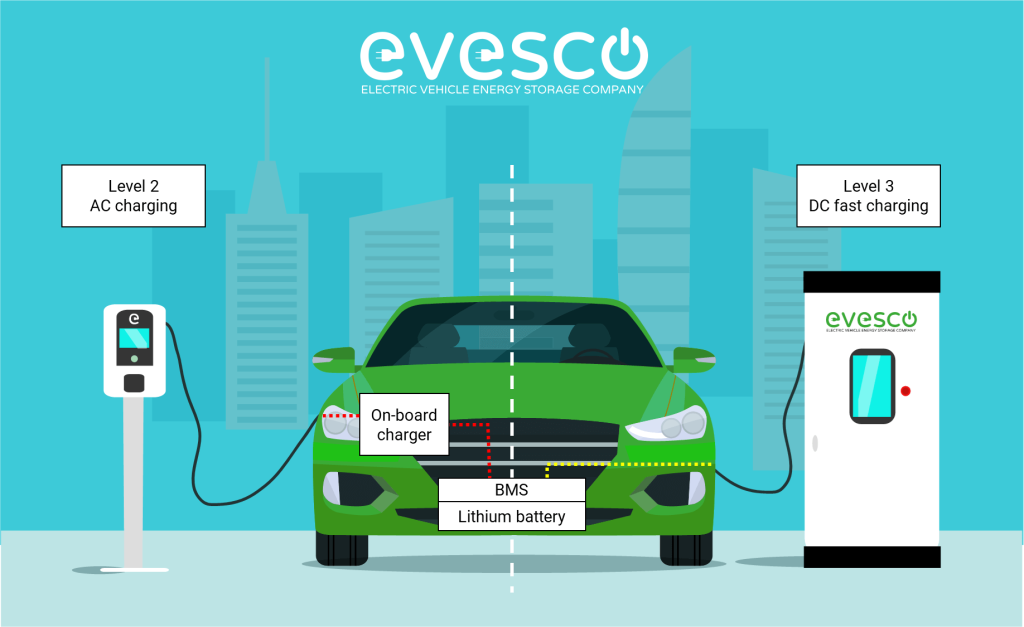
In today's fast-paced world, fast charging technologies are revolutionizing the way we use our devices, making them an essential part of our daily lives. From smartphones to electric vehicles, these innovations ensure that we spend less time tethered to outlets and more time on the go. Among the most prominent advancements are Super Fast Charging, which can replenish a smartphone’s battery up to 100% in just 30 minutes, and Ultra-Fast Charging systems being developed for electric vehicles that promise to deliver a significant charge in under 20 minutes.
As we explore the future, we'll see even more iterations of fast charging technologies including Wireless Fast Charging, which eliminates the need for cords altogether, allowing users to simply place their devices on pads for quick power-ups. Additionally, Graphene-based batteries are emerging, offering faster charging speeds and improved lifespan. These advancements are not just enhancing convenience; they're transforming our lives by enabling longer device usage and reducing downtime, making technology more accessible than ever before.
Is Fast Charging Bad for Your Battery? Debunking the Myths
Fast charging has become a popular feature for many modern smartphones and devices, but there are numerous myths surrounding its impact on battery health. One common misconception is that fast charging completely ruins your battery life. In reality, while fast charging generates a bit more heat compared to standard charging, most modern devices are designed to handle this temperature increase. Manufacturers implement various technologies, such as optimized charging algorithms that manage power flow to minimize battery stress. This means that as long as you are using an approved fast charger, the benefits of quick top-ups can often outweigh any minor drawbacks.
Another myth suggests that using fast charging will significantly shorten your battery's lifespan. While it is true that heat can contribute to battery degradation, the effect of fast charging is not as detrimental as some might believe. Lithium-ion batteries are built to withstand a range of charging speeds and temperatures. In fact, many experts argue that maintaining a battery charged between 20% and 80% can be more crucial for longevity than the charging speed itself. Therefore, if you need to charge your device quickly, it's perfectly safe to use fast charging without worrying about immediate damage—just avoid exposing your device to extreme temperatures.