Exploring the Latest Innovations in Home Cooling Technology
As temperatures rise around the globe, homeowners are increasingly seeking efficient and sustainable ways to keep their living spaces comfortable. Innovations in home cooling technology are emerging to address this need, with advancements in smart thermostats, energy-efficient air conditioning units, and alternative cooling methods like evaporative coolers and geothermal systems. These technologies not only enhance comfort but also contribute to lower energy bills and reduced environmental impact.
One of the most exciting trends in home cooling technology is the integration of smart technology. Smart air conditioners now come equipped with features such as remote control via smartphones, energy consumption tracking, and voice command compatibility. Additionally, many of these systems can adapt to your lifestyle, adjusting cooling patterns based on occupancy and weather forecasts. As these innovations continue to evolve, the future of home cooling looks more eco-friendly and user-centric than ever.
Counter-Strike is a highly popular first-person shooter game that pits teams of terrorists against counter-terrorists in various missions. Players can choose from various maps and game modes, adding strategic depth to the gameplay. To enhance your gaming experience, consider investing in Top 10 Quiet Laptop Cooling Pads that can help keep your laptop cool during intense gaming sessions.
How Do Innovative Cooling Solutions Work? A Deep Dive
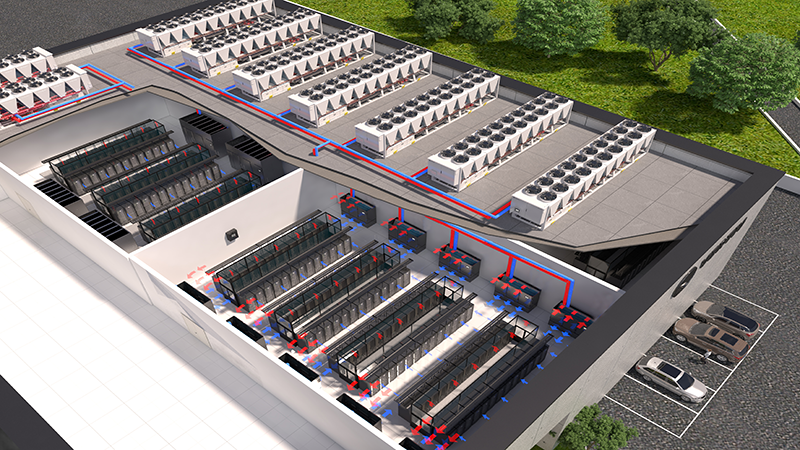
Innovative cooling solutions leverage cutting-edge technologies to enhance thermal management in a variety of applications, from industrial processes to consumer electronics. At the core of these solutions is the principle of heat transfer, where heat is removed from an object and dissipated into the surrounding environment. Techniques such as phase change materials (PCMs), which absorb and release thermal energy during phase transitions, allow for efficient heat management. Additionally, innovations like liquid cooling systems utilize fluids to transport heat away from critical components, offering superior thermal performance over traditional air cooling methods.
Another fascinating aspect of innovative cooling solutions includes advanced materials that exhibit remarkable thermal conductivity, such as graphene and carbon nanotubes. These materials can significantly enhance the efficiency of heat exchangers by facilitating quicker heat dissipation. Furthermore, systems designed with smart technology can automatically adjust cooling levels based on real-time data, optimizing energy use and reducing costs. As industries increasingly prioritize sustainability, the adoption of eco-friendly cooling methods, such as evaporative cooling, is gaining traction, marking a shift towards greener alternatives in heat management.
Are Traditional Air Conditioners on Their Way Out? Discover the Future of Cooling
As we enter a new era of energy-efficient technology, the question arises: are traditional air conditioners on their way out? With the rise of eco-friendly cooling solutions like evaporative coolers, mini-split systems, and smart air conditioning units, homeowners are increasingly seeking alternatives that not only reduce energy consumption but also integrate seamlessly with their smart home systems. Traditional air conditioners, while effective, can be less efficient, leading to soaring energy bills and a higher carbon footprint. With new innovations constantly emerging, the future of cooling is gearing towards a more sustainable and cost-effective approach.
Furthermore, advancements in technology, such as geothermal cooling and solar-powered air conditioners, are paving the way for solutions that challenge conventional methods. These modern systems offer not only enhanced efficiency but also lower operational costs over time. As society becomes more environmentally conscious, the shift away from traditional air conditioning units is becoming increasingly apparent. In conclusion, it is clear that the future of cooling lies in superior, sustainable technologies, making it imperative for homeowners to consider upgrading from traditional air conditioners for both practicality and ecological benefits.