Demystifying Decentralized Betting: What It Is, Why It Matters, and How to Get Started
Decentralized betting, at its core, represents a paradigm shift from traditional online gambling. Instead of relying on a central authority (like a sportsbook operator) to manage bets, payouts, and user funds, decentralized platforms leverage blockchain technology. This means transactions are recorded on an immutable, transparent ledger, and smart contracts automatically execute payouts based on predetermined conditions. The absence of an intermediary fosters greater trust, reduces the risk of manipulation, and often leads to lower fees. Furthermore, these platforms typically offer enhanced privacy, as users often interact with the system using cryptocurrency wallets without needing to submit extensive personal information. Understanding this fundamental difference is crucial to grasping the revolutionary potential of decentralized betting.
The significance of decentralized betting extends beyond just fairer odds and increased transparency; it's about empowering the user and reshaping the entire betting landscape. By removing central points of control, these platforms are inherently more resistant to censorship and government interference, offering a truly global and permissionless betting experience. For those looking to get started, the process generally involves a few key steps:
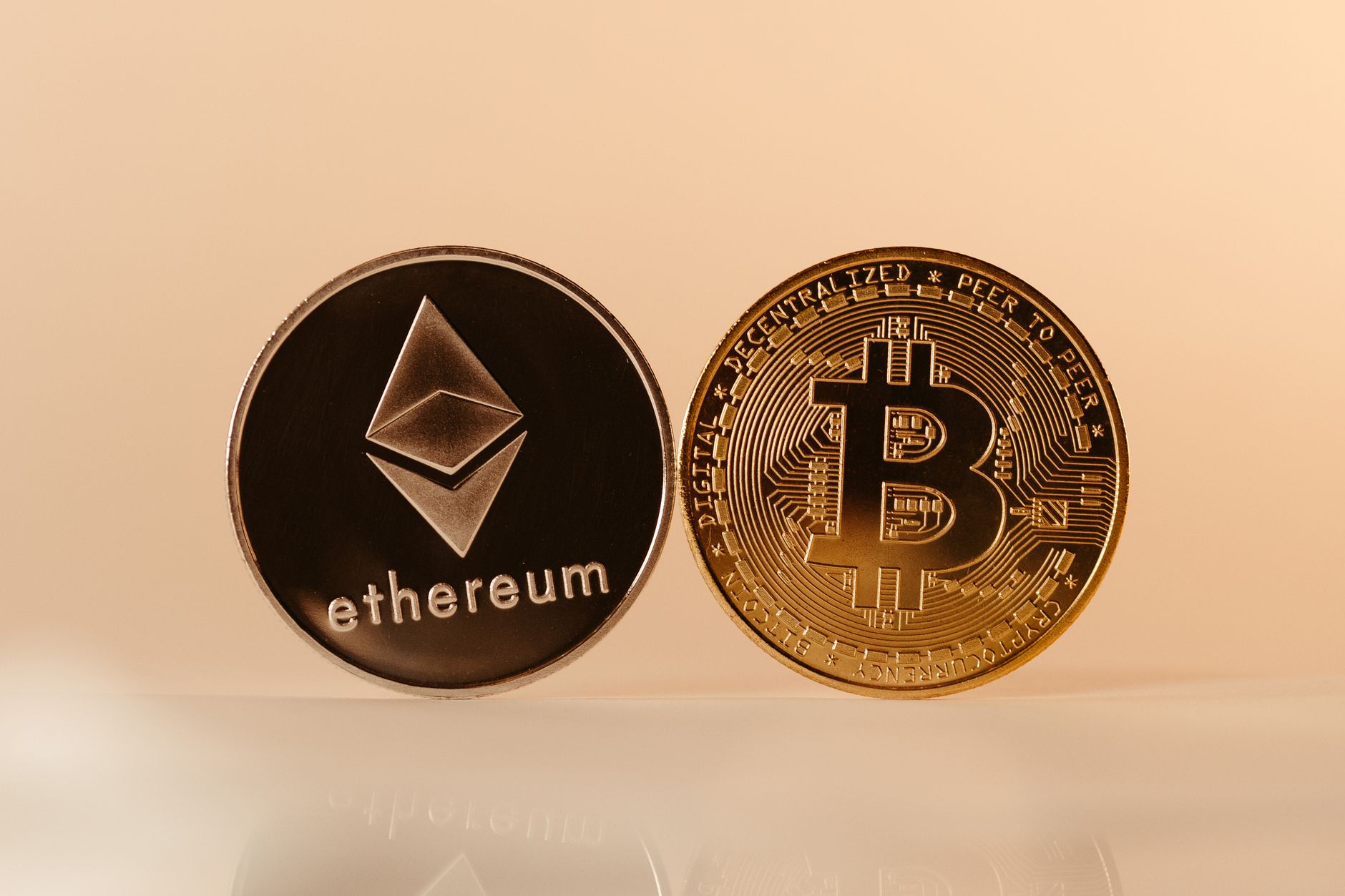
- Acquiring cryptocurrency: Typically Ethereum (ETH) or a stablecoin.
- Setting up a crypto wallet: Metamask is a popular choice.
- Connecting to a decentralized betting platform: Examples include Augur or Gnosis.
Decentralized betting platforms are revolutionizing the gambling industry by offering transparent, secure, and censorship-resistant wagering. Unlike traditional bookmakers, these platforms operate on blockchain technology, allowing for peer-to-peer betting without the need for intermediaries. This innovative approach to decentralized betting ensures that all transactions are recorded on a public ledger, providing unprecedented levels of fairness and trust for participants worldwide.
Your First Wager: Navigating Wallets, Funding, and Finding Your Betting Niche in the DeFi World
Embarking on your DeFi betting journey begins with a crucial first step: setting up your digital infrastructure. This primarily involves choosing and configuring a secure cryptocurrency wallet. Options range from browser extensions like MetaMask, known for its user-friendliness and broad dApp compatibility, to hardware wallets such as Ledger or Trezor, which offer superior security for larger holdings. Once your wallet is established, the next hurdle is funding it. This typically involves purchasing cryptocurrency (like Ethereum or a stablecoin) from a centralized exchange and then transferring it to your chosen DeFi wallet. Remember, transaction fees (gas fees) on networks like Ethereum can fluctuate, so plan your transfers accordingly to avoid unnecessary costs and ensure a smooth entry into the decentralized betting landscape.
With your wallet funded, the exciting task of finding your betting niche within the DeFi world awaits. This landscape is vast and ever-evolving, offering a plethora of platforms catering to diverse interests. Consider exploring:
- Prediction Markets: Platforms like Gnosis or Augur allow you to bet on real-world events, from political outcomes to sports results.
- Decentralized Sportsbooks: Emerging platforms aim to replicate traditional sports betting with enhanced transparency and often better odds.
- Gaming & NFTs: Some DeFi projects integrate betting mechanics directly into play-to-earn games or allow wagering on NFT market trends.
Research is paramount here; delve into a project's whitepaper, community forums, and audit reports to ensure legitimacy and understand the underlying mechanics before committing your funds.
"The beauty of DeFi betting lies in its transparency and user control, but with great power comes great responsibility to conduct thorough due diligence."