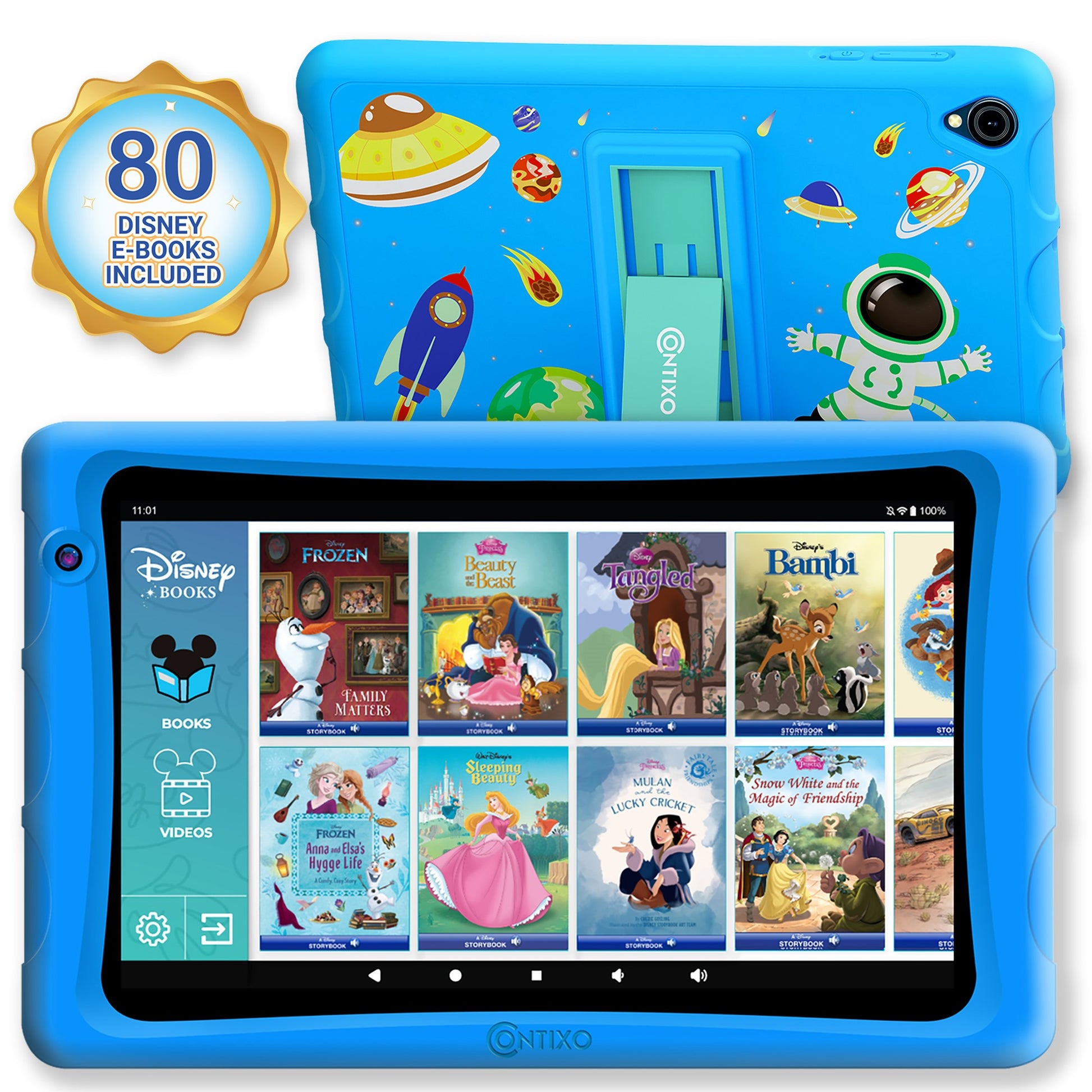
How Tablets are Changing the Way We Work and Play
Tablets have rapidly evolved to become essential devices that transform the landscape of both work and play. With their portability and user-friendly interfaces, tablets enable professionals to stay productive on the go. Modern functionalities such as cloud storage, mobile applications, and powerful processors allow users to seamlessly manage tasks, collaborate with teams, and access vital information from anywhere. Additionally, the increasing compatibility of tablets with various accessories, such as keyboards and styluses, further enhances their utility in more formal work settings.
On the entertainment front, tablets serve as a versatile platform for consuming content, whether it be streaming movies, reading e-books, or playing immersive games. The vibrant displays and intuitive touch controls create an engaging experience that appeals to users of all ages. Furthermore, with countless apps available for both productivity and leisure, tablets facilitate a personalized approach to work and play, allowing individuals to strike a balance between their professional obligations and personal hobbies.
Counter-Strike is a popular tactical first-person shooter game that focuses on team-based gameplay. Players assume the roles of either terrorists or counter-terrorists, engaging in strategic missions to complete objectives or eliminate the opposing team. For those looking to enhance their gaming experience, check out the Top 10 iPad Accessories for Reading as they can also improve focus and immersion in gameplay.
The Ultimate Guide to Choosing the Right Tablet for Your Needs
Choosing the right tablet can be a daunting task, especially with the multitude of options available on the market today. To simplify the process, start by assessing your needs. Are you looking for a tablet primarily for media consumption, such as watching movies or reading e-books? Or do you need it for productivity tasks, like document editing and graphic design? Making a list of features that are essential for you, such as screen size, battery life, and operating system, can help guide your decision. For instance, a larger screen may be beneficial for watching videos, while a smaller, more portable device could be ideal for travel.
Once you have a clear understanding of your requirements, it’s important to compare different models. Consider factors like processing power, RAM, and storage options. A powerful processor ensures smoother performance, especially for multitasking. Additionally, make sure to read reviews and check customer feedback before making a purchase. Websites, forums, and social media groups can be invaluable resources for finding both expert opinions and personal experiences. By doing your research, you can make an informed decision and choose a tablet that truly meets your needs.
Are Tablets the Future of Education: Pros and Cons
As technology continues to evolve, the question of whether tablets are the future of education becomes increasingly relevant. With their portability and ease of use, tablets offer a wide range of educational tools and applications that can enhance learning experiences. For instance, students can access a plethora of resources online, engage with interactive learning modules, and collaborate with peers through various applications. The ability to carry multiple textbooks in a single device not only reduces physical burden but also fosters an environment of digital literacy that is essential in today’s tech-driven world.
However, despite the numerous advantages, there are also significant drawbacks to consider. One major concern is the potential for distractions; tablets can easily divert attention to social media or games, hindering academic focus. Additionally, the reliance on electronic devices raises questions about equal access to technology, as not all students may have the same opportunities to utilize tablets for their education. Ultimately, while tablets present innovative solutions for modern learning, it is crucial to weigh both the pros and cons before determining their role in the future of education.