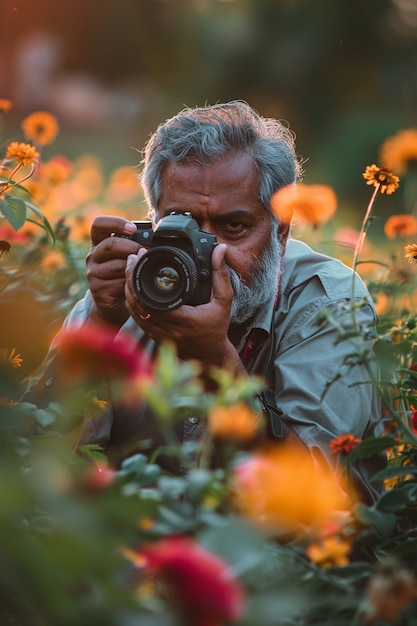
5 Lighting Techniques to Elevate Your Photography
Lighting plays a crucial role in elevating your photography to the next level. Whether you are shooting indoors or outdoors, mastering a few key lighting techniques can drastically improve the quality of your images. Here are five essential lighting techniques that every photographer should incorporate into their workflow:
- Natural Light: Utilize sunlight during the golden hour, just after sunrise or before sunset, to achieve a soft, warm glow in your photographs.
- Backlighting: Position your subject against a light source to create beautiful silhouettes and add depth to your images.
- Reflectors: Employ reflectors to bounce light onto your subject, reducing harsh shadows and enhancing details.
- Diffusers: Use diffusers to soften direct light, producing flattering and even illumination.
- Artificial Lighting: Experiment with flash and continuous lighting setups to control and manipulate light in various scenarios.
Once you've mastered these lighting techniques, the next step is to practice regularly. Experiment with different combinations of natural and artificial light to find the perfect balance for your style. Remember that the right lighting can enhance not just the aesthetics of your photos, but also the story you wish to convey. So grab your camera, explore these techniques, and watch your photography skills evolve!
Counter-Strike is a popular first-person shooter game that pits teams of terrorists against counter-terrorists in various game modes. The game's objective varies depending on the mode, such as bomb defusal or hostage rescue. Many players enhance their gaming experience with additional gear, and if you're interested in photography, check out the Top 10 iPhone camera accessories to improve your skills.
How to Use Color Theory to Make Your Images Stand Out
Color theory is an essential tool for anyone looking to enhance their images and make them more visually appealing. Understanding the color wheel and the relationships between colors can help you create eye-catching compositions. For instance, employing complementary colors—those that are opposite each other on the color wheel—can create a striking contrast that draws the viewer’s attention. You might want to consider using a color palette that includes varying shades and tints to add depth to your images. Additionally, experimenting with analogous colors, which are next to each other on the wheel, can produce a harmonious effect that feels balanced and pleasing.
Another crucial aspect of using color theory in your images involves understanding the psychological effects of colors. For example, red can evoke feelings of passion or urgency, while blue typically conveys trust and calmness. To make your images stand out even more, you can integrate warm colors to generate energy and excitement or cool colors to evoke tranquility and sophistication. Keep in mind that the background color also influences the perception of your subject—making sure there is enough contrast can help your main object pop. Ultimately, by applying the principles of color theory, you can significantly enhance the impact of your visual content, making it not just more attractive but also more effective in conveying your intended message.
What Camera Settings Should You Use for Stunning Shots?
When it comes to capturing stunning shots, understanding your camera settings is crucial. Start with the Aperture, which controls the amount of light that enters the lens. A wider aperture (lower f-number) is ideal for portraits, as it creates a beautiful bokeh effect, blurring the background and making your subject stand out. Conversely, for landscapes, a smaller aperture (higher f-number) will ensure that more of the image is in focus. Additionally, consider your Shutter Speed; a faster speed is necessary for freezing motion, while a slower speed can create artistic blur effects. To summarize:
- Aperture: Use low f-numbers for portraits and high f-numbers for landscapes.
- Shutter Speed: Use fast speeds for action shots and slower speeds for steady subjects.
Next, don't forget about your ISO setting. A lower ISO (100-400) is preferable in well-lit environments, as it keeps your images clean and free from noise. In darker conditions, increase your ISO to 800 or higher, but be cautious, as too high an ISO can introduce graininess to your images. Finally, always remember to adjust your White Balance according to your shooting environment; this ensures your colors appear natural. Whether you're capturing a sunset or a bustling city street, taking the time to set your camera correctly will yield stunning and vibrant photos. For best results, consider the following settings:
- ISO: Keep low in bright conditions, increase in low light.
- White Balance: Adjust to match your lighting for accurate colors.